DRSARANG DEGLOORKAR is a specialist surgeon from mira bhayandar,thane,Mumbai.he is attached to BHAKTIVEDANTA HOSPITAL in MIRA ROAD thane .Apart from routine surgeries his special interest is in hernia , breast cancer& weight loss surgeries.He likes to do charitable work& has deep interest in spirituality
Sunday, 13 March 2016
OFFICIAL WEBSITE OF DR SARANG DEGLOORKAR ;SURGEON MIRA BHYANDAR : ADVANCED HERNIA CLINIC, MIRA ROAD
OFFICIAL WEBSITE OF DR SARANG DEGLOORKAR ;SURGEON MIRA BHYANDAR : ADVANCED HERNIA CLINIC, MIRA ROAD: ADVANCED HERNIA CLINIC, MIRA ROAD BHAKTIVEDANTA HOSPITAL , SRISTHI COMPLEX , MIRA ROAD(E) . NO.1 RATED INSTITUTE FROM BORIVALI ...

Friday, 11 March 2016
ADVANCED HERNIA CLINIC, MIRA ROAD
BHAKTIVEDANTA HOSPITAL , SRISTHI COMPLEX , MIRA ROAD(E) .
NO.1 RATED INSTITUTE FROM BORIVALI TO PALGHAR
 | |
| dr sarang degloorkar |
DR SARANG DEGLOORKAR : MBBS (MUMBAI), MS (MUMBAI) , FMAS (Laproscopy ;MUHS )
HE is a general, laparoscopic, cancer surgeon with keen interest in all types of hernia surgeries.
He has done his M.B.B.S. from prestigious grant medical college& sir J.J. hospital, byculla; Mumbai. He has done his post-graduation; M.S. (GENERAL SURGERY) from state of art I.N.H.S. ASVINI NAVAL hospital in coloba, Mumbai. He is young & dynamic surgeon trained in various latest techniques of operations for many diseases
He has taken training for operations for all types of HERNIAS( Epigastric hernia , naval(umbilical hernia , paraumbilical hernia ventral hernia , recurrent abdominal hernia , groin(inguinal) hernia ),etc.
He does latest & modern operations like Laproscopic hernia repair with mesh ,along with traditional surgeries for all types of hernias.. He has performed & assisted more than 7000 hernia surgeries.
He is member of ASI, IAGES, and SELSI & ABSI
Member (ASI) association of surgeons of India ,
member (IAGES ) association of gastrointestinal & endoscopic surgeons of India , member (SELSI society of endoscopic & laparoscopic surgeons of India '
His caring nature for his patients has won the hearts of patients who came in contact with him. Last but not the least, his ethical advice& reasonable charges has benefited patients from all classes of socioeconomic status.
He runs following SPECIALITY clinics at various places .Hernia clinic, Breast cancer clinic, Piles clinic, Diabetic foot clinic, Weight loss clinic, Liposuction clinic, varicose veins clinic, Stone clinic.
He is working in some trust hospital in Mumbai.
He is been in Mumbai practicing since last 11yrs.
SPECIAL FEATURES OF HERNIA CLINIC:
It is run by qualified surgeon (MBBS & MS, FMAS (LAPROSCOPY ) from Mumbai .
1 All facilities for treatment of HERNIA available.
2 Quality treatment at affordable cost.
3 Guaranteed results after surgery.
4 Only ethical advice & no un-necessary surgery.
5 Till now thousands of surgery performed at the place.
6 It is number one surgery centre in miraroad.(at bhaktivedanta hospital).
7 Thousands of satisfied clients from all over India.
8 Lowest cost of treatment in area.
TREATMENT AVAILABLE:
CLINIC ADDRESS:
BHAKTIVEDANTA HOSPITAL& RESEARCH INSTITUTE ,SRISTHI COMPLEX , SECTOR-1 , NEAR DALMIYA COLLEGE, MIRA ROAD EAST . 401107 .
CONSULTATION TIME: DAILY 11.30 TO 1.30 . & 8TO 830PM
CONSULTATION CHARGES RS 250
FOR APPOINTMENT CALL:
MOB: 9323289393 OR LL: 29452600
FOR INSTANT ONLINE APPOINTMENT : CLICK ON LINK BELOW :
http://mocdoc.in/doctor/by/bhaktivedanta-hospital-sarang-degloorkar
ADVANCED PILES, FISSURE,FISTULA CLINIC , MIRAROAD , MUMBAI
ADVANCED PILES CLINIC, MIRA ROAD
BHAKTIVEDANTA HOSPITAL , SRISTHI COMPLEX , MIRA ROAD(E) .
NO.1 RATED INSTITUTE FROM BORIVALI TO PALGHAR
| |
| dr sarang degloorkar |
DR SARANG DEGLOORKAR : MBBS (MUMBAI), MS (MUMBAI) , FMAS (Laproscopy ;MUHS )
HE is a general, laparoscopic, cancer surgeon with keen interest in piles surgeries
He has done his M.B.B.S. from prestigious grant medical college& sir J.J. hospital, byculla; Mumbai. He has done his post-graduation; M.S. (GENERAL SURGERY) from state of art I.N.H.S. ASVINI NAVAL hospital in coloba, Mumbai. He is young & dynamic surgeon trained in various latest techniques of operations for many diseases
He has taken training for operations for all types of piles, fissure & fistula.
He does latest & modern operations like piles stapling & laser surgery apart from traditional operation for all these problems. He has taken training for operations for all types of hernias. He has performed & assisted more than 7000 PILES surgeries.
He is member of ASI, IAGES, and SELSI & ABSI
Member (ASI) association of surgeons of India ,
member (IAGES ) association of gastrointestinal & endoscopic surgeons of India , member (SELSI society of endoscopic & laparoscopic surgeons of India '
His caring nature for his patients has won the hearts of patients who came in contact with him. Last but not the least, his ethical advice& reasonable charges has benefited patients from all classes of socioeconomic status.
He runs following SPECIALITY clinics at various places .Hernia clinic, Breast cancer clinic, Piles clinic, Diabetic foot clinic, Weight loss clinic, Liposuction clinic, varicose veins clinic, Stone clinic.
He is working in some trust hospital in Mumbai.
He is been in Mumbai practicing since last 11yrs.
SPECIAL FEATURES OF PILES CLINIC:
It is run by qualified surgeon (MBBS & MS, FMAS (LAPROSCOPY ) from Mumbai .
All facilities for treatment of piles fissure fistula available.
Quality treatment at affordable cost.
Guaranteed results after surgery.
Only ethical advice & no un-necessary surgery.
Till now thousands of surgery performed at the place.
It is number one surgery centre in miraroad.(at bhaktivedanta hospital).
Thousands of satisfied clients from all over India.
Lowest cost of treatment in area.
TREATMENT AVAILABLE:
FOR PILES:
1 PILES STAPLING SURGERY: cost of piles stapling surgery in Mumbai in economy class is approximate 45000rs.
2 PLIES BICLAMP SURGERY (PILES LASER SURGERY) cost of laser piles surgery is 25000
3 CONVENTIONAL PILES SURGERY cost is 12000.
4 PILES INJECTION THEARPY cost is rs 2000
5 FISSURE SURGERY: cost is rs 10000.
6 FISTULA SURGERY: cost is 12000 TO 20000
These are approximate charge all inclusive, for uncomplicated cases.
CLINIC ADDRESS:
BHAKTIVEDANTA HOSPITAL& RESEARCH INSTITUTE ,SRISTHI COMPLEX , SECTOR-1 , NEAR DALMIYA COLLEGE, MIRA ROAD EAST . 401107 .
CONSULTATION TIME: DAILY 11.30 TO 1.30 . & 8TO 830PM
CONSULTATION CHARGES RS 250
FOR APPOINTMENT CALL:
MOB: 9323289393 OR LL: 29452600
FOR INSTANT ONLINE APPOINTMENT : CLICK ON LINK BELOW :
http://mocdoc.in/doctor/by/bhaktivedanta-hospital-sarang-degloorkar
 | |||||
| DR SARANG DEGLOORKAR |
 |
| piles |
1) WHAT IS PILES ? WHAT ARE CAUSES OF PILES ? WHAT IS TREATMENT OF PILES?
(click on link below to read complete information about piles ).
Hemorrhoids: What You Should Know
In this article
What Are Hemorrhoids?
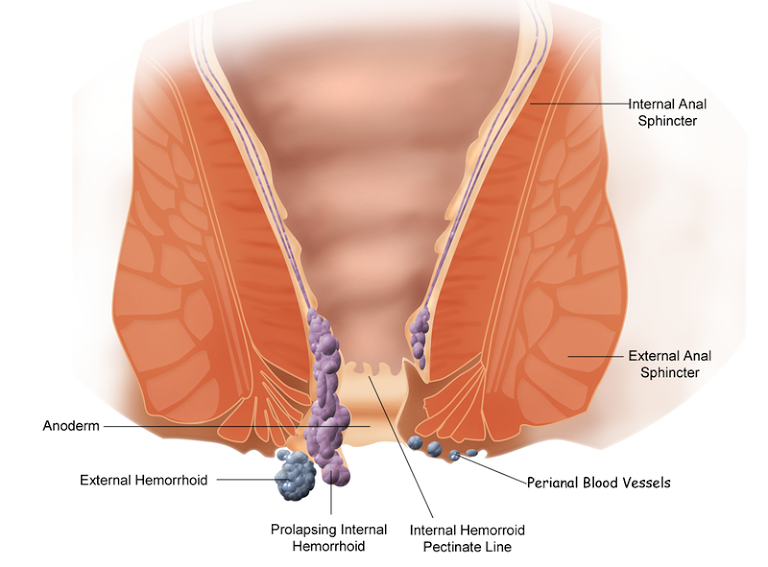
They're swollen blood vessels of the rectum. The hemorrhoidal veins are located in the lowest area of the rectum and the anus. Sometimes they swell so that the vein walls become stretched, thin, and irritated when you have bowel movements.
Are Yours Internal or External?
Internal hemorrhoids lie far enough inside the rectum that you can't see or feel them. They don't usually hurt because there are few pain-sensing nerves in the rectum. Bleeding may be the only sign they're there.Sometimes internal hemorrhoids "prolapse," or enlarge and protrude outside the anal sphincter. When this happens, you may be able to see or feel them as moist, pink pads of skin that are pinker than the surrounding area. Prolapsed hemorrhoids may hurt because the anus is dense with pain-sensing nerves. They usually go back into the rectum on their own. If they don't, they can often be gently pushed back into place.
External hemorrhoids lie within the anus. They're usually painful. If they move, or prolapse, to the outside (usually when you have a bowel movement), you can see and feel it.
Blood clots sometimes form within prolapsed external hemorrhoids, causing a very painful condition called a thrombosis. If that happens, the hemorrhoid can turn purple or blue, and could possibly bleed. Despite its appearance, it's usually not serious, apart from the pain. It will go away in a couple of weeks. Your doctor can remove it if the pain is unbearable.
You should get any anal bleeding and pain checked by a doctor to make sure it’s not a more serious condition. Hemorrhoids are the No. 1 cause of this type of bleeding and are rarely dangerous, but you should find out for sure.
What Causes Them?
Doctors don’t know the exact cause. Some people may be more likely to get them because they have “weak" veins, leading to hemorrhoids and other varicose veins. That may be something you inherit.There are other possibilities, too. It's likely that extreme abdominal pressure makes the veins swell and become likelier to get irritated. The pressure can be caused by:
- Obesity
- Pregnancy
- Standing or sitting for a long time
- Straining during bowel movements
- Coughing
- Sneezing
- Vomiting
- Holding your breath when you do something that’s physically hard
Can You Prevent Hemorrhoids?
What you eat and drink makes a difference. The things that help you avoid hemorrhoids are also good for the rest of your body.Eat more fiber. A good way to get it is from plant foods -- vegetables, fruits, whole grains, nuts, seeds, beans, and legumes. Most Americans need more fiber, and foods are the best sources.
Stay hydrated. If you don’t, you may strain during a bowel movement and make hard stools, which further irritate the swollen veins. Drink water, and remember that you also get H2O from foods such as fruits and vegetables.
2) WHAT IS FISSURE IN ANO ? WHAT ARE CAUSES OF FISSURE IN ANO ? WHAT IS TREATMENT OF FISSURE IN ANO? (click on link below to read complete information about fissure in ano ).
http://emedicine.medscape.com/article/196297-overview
3) WHAT IS FISTULA IN ANO ? WHAT ARE CAUSES OF FISTULA IN ANO ? WHAT IS TREATMENT OF FISTULA IN ANO? (click on link below to read complete information about fistula in ano ).
http://emedicine.medscape.com/article/776150-overview
Thursday, 26 June 2014
COSMETIC TREATMENT OF AXILLARY LUMP(AXILLARY /ACCESORY BREAST OR LIPOMA OF AXILLA ) IN FEMALE PATIENT BY DR SARANG DEGLOORKAR AT MIRA ROAD , MUMBAI
| AXILLARY LIPOMA/FAT. ACCESSORY BREAST . A PATIENT OF DR SARANG DEGLOORKAR,SURGEON MIRA ROAD, MUMBAI.WWW.SURGEONMIRABHAYANDER.BLOGSPOT.IN |
 |
| BEFORE SURGERY PHOTO OF A PATIENT OF DR SARANG DEGLOORKAR HAVING HUGE AXILLARY LIPOMA |
COSMETIC TREATMENT OF AXILLARY LIPOMA (AXILLARY /ACCESSORY BREAST OR LIPOMA OF AXILLA, ARMPIT LUMP/FAT REMOVAL ) IN FEMALE PATIENT BY DR SARANG DEGLOORKAR AT MIRA ROAD, MUMBAI
Dr sarang degloorkar does liposuction with tissue excision through very small cuts for this illness. The procedure is done under general anesthesia. patient can be discharged from hospital in after 6-8 hrs of surgery .following are photos of patients before & after surgery. this is most recent , best & international treatment for this illness.
AFTER SURGERY PHOTO OF SAME PATIENT ABOVE , CASE OF AXILLARY LIPOMA,FAT, SHOWING FLAT AXILLA ,WITH NICE COSMETIC RESULTS.

Monday, 5 May 2014


Tuesday, 15 October 2013
TUMMY TUCK SURGERY BY DR SARANG DEGLOORKAR IN MIRA ROAD ,MUMBAI
A 32 yr female named Rinky Chowdhary came to dr sarang degloorkar with complaints of bulging in region of stomach since 6 months. her stomach was coming out & being young lady it was not looking good , she was appearing as if she is pregnant.
she had undergone a caesarian operation last year. On examination Dr sarang degloorkar found that she had developed a incisional hernia .( A hernia occurring due to breaking of stitches of previous surgery is called incisional hernia). She also had lot of loose skin & fat due to stretching during pregnancy. she wanted to get rid of hernia , loose skin, fat& marks of pregnancy on skin so that she could look slim& smart.
Dr sarang degloorkar explained her how it can be done. she was advised to under go surgery for hernia repair& a cosmetic surgery same time to remove extra skin , fat , marks on skin (techinically called TUMMY TUCK SURGERY/OR abdominoplasty).
she was satisfied by answers. so Dr sarang degloorkar posted her for surgery . Hernia repair surgery with tummy tuck was carried out by dr sarang degloorkar in mira road mumbai.
patient recovered post operatively well . she was discharged on 4th day.
on followup she was very happy that she had new flat tummy which she desired.
patient thanked dr sarang repeatedly for same .it was pleasure of dr sarang to see happy patient walking away smilingly.
ABOUT DR SARANG DEGLOORKAR :
DR SARANG DEGLOORKAR is a specialist surgeon from mira bhayandar,thane,Mumbai.he is attached to many hospital in mira road,bhayandar in thane,Mumbai.Apart from routine surgeries his special interest is in hernia,breast cancer& weight loss surgeries. He holds high ethical & moral values & applies them to his professional practice.He likes to do charitable work& has deep interest in spirituality.
IF YOU NEED ANY ASSISTANCE FOR HERNIA &TUMMY TUCK SURGERY CALL : 9323289393.
For best/Top hernia /Tummy tuck surgeon/Doctor in mira road , bhyandar, borivali ,virar, near palghar meet dr sarang.
best tummy tuck in mumbai .tummy tuck in mira road .
PLACES OF CONSULTATION OF DR SARANG DEGLOORKAR:
BHAKTIVEDANTA HOSPITAL: SRISTHI COMPLEX, SECTOR-2 MIRA ROAD EAST. TIME: DAILY : 1130 AM TO 2PM.& 8-9 PM .
WE ARE COMMITTED TO QUALITY CARE , ETHICAL TREATMENT AT REASONABLE & AFFORDING COST TO ALL HUMANITY.
BEFORE & AFTER PHOTOS OF TUMMY TUCK BY DR SARANG DEGLOORKAR .
Tummy tuck surgery, also known as abdominoplasty,
removes excess fat and skin and, in most cases, restores weakened or
separated muscles creating an abdominal profile that is smoother and
firmer.
A flat and well-toned abdomen is something many of us strive for through exercise and weight control. Sometimes these methods cannot achieve our goals.
Even individuals of otherwise normal body weight and proportion can develop an abdomen that protrudes or is loose and sagging. The most common causes of this include:
Although the results of a tummy tuck are technically permanent, the positive outcome can be greatly diminished by significant fluctuations in your weight. For this reason, individuals who are planning substantial weight loss or women who may be considering future pregnancies would be advised to postpone a tummy tuck.
A tummy tuck cannot correct stretch marks, although these may be removed or somewhat improved if they are located on the areas of excess skin that will be excised.
In general, you may be a good tummy tuck candidate if:
During your tummy tuck recovery,
dressings or bandages may be applied to your incisions, and you may be
wrapped in an elastic bandage or a compression garment to minimize
swelling and support your abdomen as it heals following surgery.
Small, thin tubes may be temporarily placed under the skin to drain any excess blood or fluid that may collect.
You will be given specific instructions that may include:
The final results of tummy tuck surgery may be initially obscured by swelling and your inability to stand fully upright until internal healing is complete.
Within a week or two, you should be standing tall and confident in your new slimmer profile.
Your tummy tuck will result in a flatter, firmer abdominal contour that is more proportionate with your body type and weight.
A tummy tuck procedure includes the following steps:
A full tummy tuck requires a horizontally-oriented incision in the area between the pubic hairline and belly button.
The shape and length of the incision will be determined by the amount of excess skin. Once the abdominal skin is lifted, the underlying weakened abdominal muscles are repaired.
A second incision around the navel may be necessary to remove excess skin in the upper abdomen.
The upper abdominal skin is pulled down like a window shade. The excess skin is trimmed and the remaining skin is sutured together. A new opening for the belly button is created. The belly button is popped through to the surface and sutured into position.
Sutures, skin adhesives, tapes or clips close the skin incisions.
The
decision to have plastic surgery is extremely personal, and you’ll have
to decide if the benefits will achieve your goals and if the risks and potential complications of tummy tuck surgery are acceptable.
You will be asked to sign consent forms to ensure that you fully understand the procedure and any risks.
Tummy tuck risks include:
she had undergone a caesarian operation last year. On examination Dr sarang degloorkar found that she had developed a incisional hernia .( A hernia occurring due to breaking of stitches of previous surgery is called incisional hernia). She also had lot of loose skin & fat due to stretching during pregnancy. she wanted to get rid of hernia , loose skin, fat& marks of pregnancy on skin so that she could look slim& smart.
Dr sarang degloorkar explained her how it can be done. she was advised to under go surgery for hernia repair& a cosmetic surgery same time to remove extra skin , fat , marks on skin (techinically called TUMMY TUCK SURGERY/OR abdominoplasty).
she was satisfied by answers. so Dr sarang degloorkar posted her for surgery . Hernia repair surgery with tummy tuck was carried out by dr sarang degloorkar in mira road mumbai.
patient recovered post operatively well . she was discharged on 4th day.
on followup she was very happy that she had new flat tummy which she desired.
patient thanked dr sarang repeatedly for same .it was pleasure of dr sarang to see happy patient walking away smilingly.
ABOUT DR SARANG DEGLOORKAR :
DR SARANG DEGLOORKAR is a specialist surgeon from mira bhayandar,thane,Mumbai.he is attached to many hospital in mira road,bhayandar in thane,Mumbai.Apart from routine surgeries his special interest is in hernia,breast cancer& weight loss surgeries. He holds high ethical & moral values & applies them to his professional practice.He likes to do charitable work& has deep interest in spirituality.
IF YOU NEED ANY ASSISTANCE FOR HERNIA &TUMMY TUCK SURGERY CALL : 9323289393.
For best/Top hernia /Tummy tuck surgeon/Doctor in mira road , bhyandar, borivali ,virar, near palghar meet dr sarang.
best tummy tuck in mumbai .tummy tuck in mira road .
PLACES OF CONSULTATION OF DR SARANG DEGLOORKAR:
BHAKTIVEDANTA HOSPITAL: SRISTHI COMPLEX, SECTOR-2 MIRA ROAD EAST. TIME: DAILY : 1130 AM TO 2PM.& 8-9 PM .
WE ARE COMMITTED TO QUALITY CARE , ETHICAL TREATMENT AT REASONABLE & AFFORDING COST TO ALL HUMANITY.
BEFORE & AFTER PHOTOS OF TUMMY TUCK BY DR SARANG DEGLOORKAR .
 |
| A PATIENT OF DR SARANG DEGLOORKAR,SURGEON MIRA ROAD , MUMBAI. WWW.SURGEONMIRABHAYANDER.BLOGSPOT.IN. TUMMY TUCK BEFORESURGERY PHOTO |
 |
| A PATIENT OF DR SARANG DEGLOORKAR,SURGEON MIRA ROAD , MUMBAI. WWW.SURGEONMIRABHAYANDER.BLOGSPOT.IN. TUMMY TUCK BEFORESURGERY PHOTO |
 | |
| A PATIENT OF DR SARANG DEGLOORKAR,SURGEON MIRA ROAD , MUMBAI. WWW.SURGEONMIRABHAYANDER.BLOGSPOT.IN. TUMMY TUCK SURGERY PHOTO SHOWING EXTRA SKIN & FAT BEING REMOVED |
 | |
| A PATIENT OF DR SARANG DEGLOORKAR,SURGEON MIRA ROAD , MUMBAI. WWW.SURGEONMIRABHAYANDER.BLOGSPOT.IN. TUMMY TUCK AFTER SURGERY PHOTO.2 WEEK AFTERSURGERY |
 | |
| A PATIENT OF DR SARANG DEGLOORKAR,SURGEON MIRA ROAD , MUMBAI. WWW.SURGEONMIRABHAYANDER.BLOGSPOT.IN. TUMMY TUCK SURGERY PHOTO -3MONTHS AFTER SURGERY |
What is a tummy tuck?
A flat and well-toned abdomen is something many of us strive for through exercise and weight control. Sometimes these methods cannot achieve our goals.
Even individuals of otherwise normal body weight and proportion can develop an abdomen that protrudes or is loose and sagging. The most common causes of this include:
- Aging
- Heredity
- Pregnancy
- Prior surgery
- Significant fluctuations in weight
What a tummy tuck won't do
A tummy tuck is not a substitute for weight loss or an appropriate exercise program.Although the results of a tummy tuck are technically permanent, the positive outcome can be greatly diminished by significant fluctuations in your weight. For this reason, individuals who are planning substantial weight loss or women who may be considering future pregnancies would be advised to postpone a tummy tuck.
A tummy tuck cannot correct stretch marks, although these may be removed or somewhat improved if they are located on the areas of excess skin that will be excised.
How much does a tummy tuck cost?
between rs 40000 to 100000 .
Tummy tuck candidates
- You are physically healthy and at a stable weight
- You have realistic expectations
- You are a non-smoker
- You are bothered by the appearance of your abdomen
Tummy tuck recovery
Small, thin tubes may be temporarily placed under the skin to drain any excess blood or fluid that may collect.
You will be given specific instructions that may include:
- How to care for the surgical site and drains
- Medications to apply or take orally to aid healing and reduce the potential for infection
- Specific concerns to look for at the surgical site or in your general health
- When to follow up with your surgeon
Tummy tuck before and after results
Within a week or two, you should be standing tall and confident in your new slimmer profile.
Your tummy tuck will result in a flatter, firmer abdominal contour that is more proportionate with your body type and weight.
Tummy tuck procedure steps
Step 1 - Anesthesia
Medications are administered for your comfort during the surgical procedures. The choices include intravenous sedation and general anesthesia. Your doctor will recommend the best choice for you.Step 2 – The incision

The shape and length of the incision will be determined by the amount of excess skin. Once the abdominal skin is lifted, the underlying weakened abdominal muscles are repaired.
A second incision around the navel may be necessary to remove excess skin in the upper abdomen.
The upper abdominal skin is pulled down like a window shade. The excess skin is trimmed and the remaining skin is sutured together. A new opening for the belly button is created. The belly button is popped through to the surface and sutured into position.
Step 3 – Closing the incisions

Step 4 – See the results

Your tummy tuck will result in a flatter, firmer abdominal contour that is more proportionate with your body type and weight.
Tummy tuck risks and safety information
You will be asked to sign consent forms to ensure that you fully understand the procedure and any risks.
Tummy tuck risks include:
- Anesthesia risks
- Bleeding
- Infection
- Fluid accumulation (seroma)
- Poor wound healing
- Skin loss
- Numbness or other changes in skin sensation
- Skin discoloration and/or prolonged swelling
- Unfavorable scarring
- Recurrent looseness of skin
- Fatty tissue found deep in the skin might die (fat necrosis)
- Deep vein thrombosis, cardiac and pulmonary complications
- Asymmetry
- Suboptimal aesthetic result
- Possibility of revisional surgery
- Persistent pain
Sunday, 15 September 2013
a 70 yr old lady with strangulated incisional hernia ,treated by dr sarang degloorkar at mira road mumbai.
mrs shipra chakroborty 65 yr
female came to emergency room with complaints of pain abdomen frequent
vomiting since 2 days. pt had eaten nonveg food & thought that this
was due to food poisioning. pt was not willing for admission wanted
some medications
In her past history she had undergone tubal ligation surgery (whose stitching had broken & she developed a hernia there & she was unaware of this). rest was normal. on examination of abdomen she had a lump in lower abdomen of around 10 x8x6 cm. when questioned patient said it was since last 5 yrs & pt had no problems due to lump.now lump was tender to touch suggesting obstruction or strangulation (read what is strangulated hernia) . she was admitted & urgent CT SCAN of abdomen was carried out. it showed intestinal obstruction due to hernia.
urgent exploration revealed that her small intestines had be come black ( gangrenous;strangulated hernia) due to loss of blood supply. (this was because she made delay in taking opinion of doctor as she thought all her problems were due to eating noveg food which caused gasrto a infection of intestine ,which she thought would settle in few days)
In her past history she had undergone tubal ligation surgery (whose stitching had broken & she developed a hernia there & she was unaware of this). rest was normal. on examination of abdomen she had a lump in lower abdomen of around 10 x8x6 cm. when questioned patient said it was since last 5 yrs & pt had no problems due to lump.now lump was tender to touch suggesting obstruction or strangulation (read what is strangulated hernia) . she was admitted & urgent CT SCAN of abdomen was carried out. it showed intestinal obstruction due to hernia.
urgent exploration revealed that her small intestines had be come black ( gangrenous;strangulated hernia) due to loss of blood supply. (this was because she made delay in taking opinion of doctor as she thought all her problems were due to eating noveg food which caused gasrto a infection of intestine ,which she thought would settle in few days)
That
part of intestines was removed & hernia repair carried out. post op recovery was slow .
Her wound took time to heal due to infection & old age.
-- Monday, 9 September 2013
A CASE OF LARGE PARAUMBILICAL (VENTRAL) HERNIA , PATIENT OF DR SARANG DEGLOORKAR
 |
| http://mirabhayandarsurgeon.blogspot.in patient of dr sarang deglookar. A CASE OF LARGE PARAUMBILICAL (VENTRAL) HERNIA , PATIENT OF DR SARANG .Add caption |
 |
| Add chttp://mirabhayandarsurgeon.blogspot.in patient of dr sarang deglookar. A CASE OF LARGE PARAUMBILICAL (VENTRAL) HERNIA , PATIENT OF DR SARANG .aption |
 |
| Add chttp://mirabhayandarsurgeon.blogspot.in patient of dr sarang deglookar. A CASE OF LARGE PARAUMBILICAL (VENTRAL) HERNIA , PATIENT OF DR SARANG .aption |
 |
| Add chttp://mirabhayandarsurgeon.blogspot.in patient of dr sarang deglookar. A CASE OF LARGE PARAUMBILICAL (VENTRAL) HERNIA , PATIENT OF DR SARANG .aption |
 |
| Add http://mirabhayandarsurgeon.blogspot.in patient of dr sarang deglookar. A CASE OF LARGE PARAUMBILICAL (VENTRAL) HERNIA , PATIENT OF DR SARANG .caption |
 |
| Add http://mirabhayandarsurgeon.blogspot.in patient of dr sarang deglookar. A CASE OF LARGE PARAUMBILICAL (VENTRAL) HERNIA , PATIENT OF DR SARANG . THIS PICTURE DURING OPERATION SHOWING A LARGE MESH BEING USED TO REPAIR THE LARGE HERNIA ABOVE LADY IN PICTURE HAD. |
 |
| Add cahttp://mirabhayandarsurgeon.blogspot.in patient of dr sarang deglookar. A CASE OF LARGE PARAUMBILICAL (VENTRAL) HERNIA , PATIENT OF DR SARANG .ption |
fissure in ano- minor problem ;major suffering
fissure in ano- minor problem ;major suffering
a 25 yr old girl came to our clinic with symptoms
of
severe pain while passing motion.she had cutting or burning type of
pain while passing motion. she was suffering from this problem since
last two yrs. the problem stared after her child"s delivery. she had
difficulty in passing motion & she used to apply pressure while
passing motion she used to go to some general doctor who used to give
her some medicines saying her it was piles.she would get some relief
with diet control& after some time again problem would come up as
she used to get constipation .
we understood her problem only by her symptoms ,that she is suffering from fissure in ano& not piles.
we
examined her- she had developed chronic fissure in ano. fissure is a
ulcer in motion area, like we get ulcer in mouth.it occurs due to mainly
constipation where patient has difficulty in passing motion .hence
patient applies pressure to pass motion leading to a cut in that area,
which is cause of the pain.
she
has developed complication due to improper treatment- anal stenosis( it
is a condition where anus(motion hole) becomes very narrow like a
child's hence patient has difficulty in passing motion even when patient
is having normal stools ).
hence now she requires surgery to correct the problem.
ist
attack of fissure is called acute fissure& when patient gets this
problem for more that 3 months ,it is called chronic fissure. acute
condition is treated with medications ,but chronic condition requires
surgery.
during
surgery motion area is made wider so that stools can pass easily,&
fissure area is cleaned, so that would heals.. surgery takes only 10
mins.
lesson to be learnt: consult specialist for piles & fissure.if delayed surgery is required in most cases.
surgery of piles & fissure is very safe & there are no long
term complications. many people fear they might lose control over motion
after stool , this is not a fact.
fissure is one condition very minor but if not treated properly & timely can make patients life very miserable.
this
patient was very happy after surgery , she was afraid of eating since
every motion would give her great pain, she now eats happily as much she
likes.
we have 100's of such stories of our patients.
we are best fissure surgeon/DOCTOR IN MIRAROAD, BHYANDER.
we are best fissure surgeon/DOCTOR IN MIRAROAD, BHYANDER.
cosmetic treatment of bilateral breast enlargement (gynecomastia) by dr sarang degloorkar in mira- bhayandar , mumbai
COSMETIC SURGICAL TREATMENT OF BOTH BREAST ENLARGEMENT IN YOUNG MALE
- BY DR SARANG DEGLOORKAR
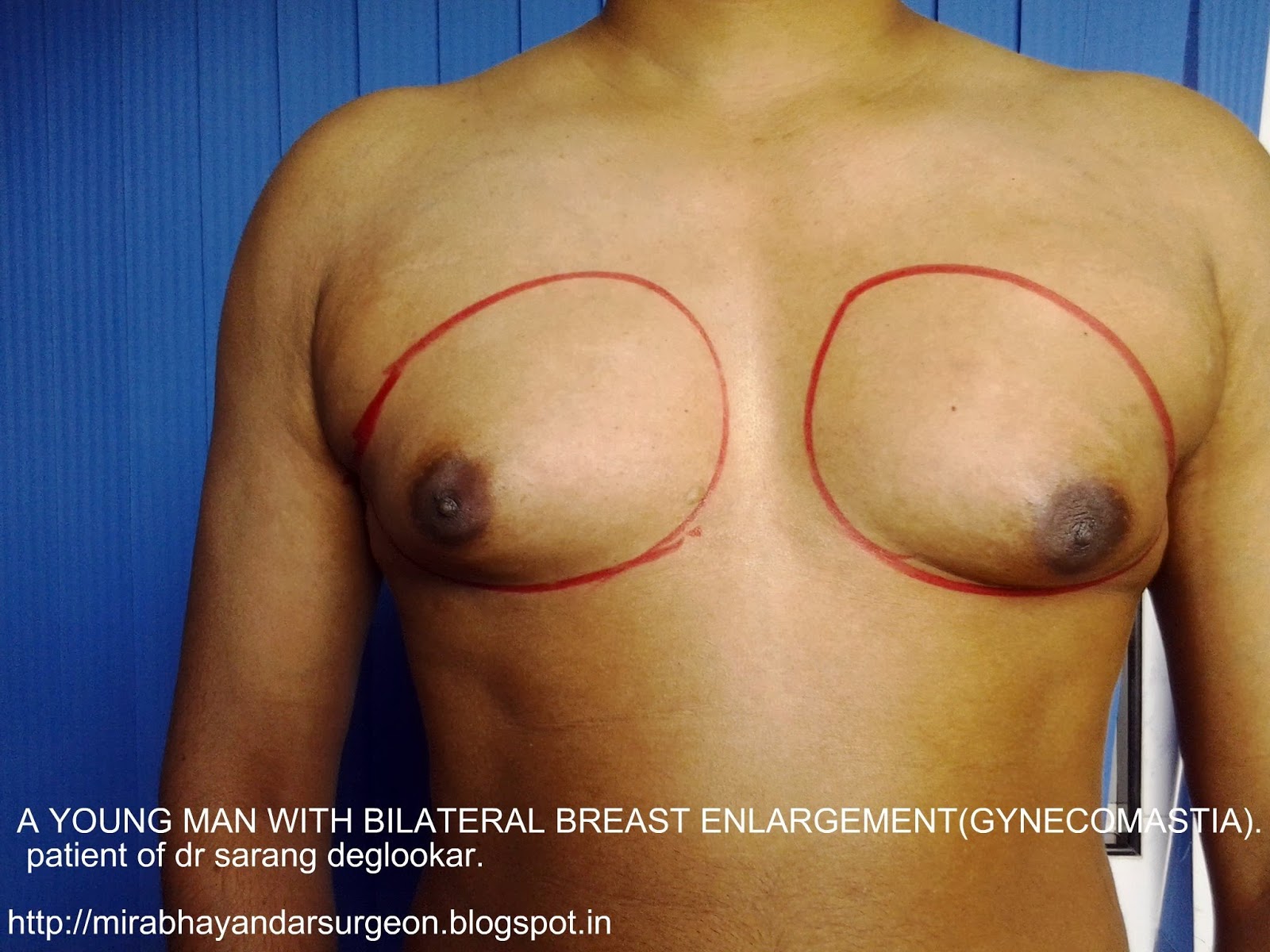
WE PRESENT ONE CASE OF BILATERAL BREAST ENLARGEMENT.
This 22 yr old young man came to us with excessive enlargement of both breast since age of 14 yrs.
he did not like it at all as it was not suiting his personality& he was a case of joke for his peers& felt depressed.
he consulted us. we reassured him . he wanted surgery in such way so that there will not be any mark .
we we did surgery known as liposuction where we remove fat from his breast through small 1cm hole. then we take a small cut in his nipple of 2cm & remove remaining breast tissue to give perfect shape to his breast. see below actual images before & after surgery .


AT OUR BHAKTIVEDANTA HOSPITAL WE CARRY OUT SUCH OPERATIONS ROUTINELY .WE HAVE VERY GOOD RESULT RECORD FOR SURGERIES , OUR PATIENTS HAVE BEEN FOLLOWING UP FOR YEARS WITH OUT ANY PROBLEMS.
IF YOU NEED ANY ASSISTANCE FOR SURGERY CALL : 9323289393.
doctor operates in mira road , bhayandar , borivali & virar .
WE ARE COMMITTED TO QUALITY CARE , ETHICAL TREATMENT AT REASONABLE & AFFORDING COST TO ALL HUMANITY.
best gynecomastia treatment hospital from borivali to palghar.
best gynecomastia doctor in mira road , bhyander , borivali, virar , palghar .
THE PACKAGE COST OF GYNECOMASTIA SURGERY IN GENERAL CLASS BED SHALL COME APPROX TO 35000.
In preteen boys, gynecomastia can also be caused by an estrogen-producing tumor. Breast buds are common during puberty. The buds may last up to 2 years, but they tend to go away within the first year.
In teen boys, gynecomastia is caused by the hormonal changes of puberty. Gynecomastia occurs in many boys during early puberty to middle puberty. It usually goes away within 6 months to 2 years.
In adult males, gynecomastia is usually caused by another condition, such as liver or lung cancer, cirrhosis of the liver, overactive thyroid, or by hormone problems, such as cancer of the pituitary gland, adrenal glands, or testicles. Alcohol, marijuana, methamphetamine, and heroin use also may cause gynecomastia.
Use of certain medicines may also cause gynecomastia, including:
Any man who finds a one-sided breast lump should let his doctor know if he has close relatives who have had breast cancer (mother, sister, or daughter). If there is any concern about cancer, a lump can be checked with a biopsy or surgery.
- BY DR SARANG DEGLOORKAR
WE PRESENT ONE CASE OF BILATERAL BREAST ENLARGEMENT.
This 22 yr old young man came to us with excessive enlargement of both breast since age of 14 yrs.
he did not like it at all as it was not suiting his personality& he was a case of joke for his peers& felt depressed.
he consulted us. we reassured him . he wanted surgery in such way so that there will not be any mark .
we we did surgery known as liposuction where we remove fat from his breast through small 1cm hole. then we take a small cut in his nipple of 2cm & remove remaining breast tissue to give perfect shape to his breast. see below actual images before & after surgery .


 |
| post surgery 2months ,flat chest |
AT OUR BHAKTIVEDANTA HOSPITAL WE CARRY OUT SUCH OPERATIONS ROUTINELY .WE HAVE VERY GOOD RESULT RECORD FOR SURGERIES , OUR PATIENTS HAVE BEEN FOLLOWING UP FOR YEARS WITH OUT ANY PROBLEMS.
IF YOU NEED ANY ASSISTANCE FOR SURGERY CALL : 9323289393.
doctor operates in mira road , bhayandar , borivali & virar .
WE ARE COMMITTED TO QUALITY CARE , ETHICAL TREATMENT AT REASONABLE & AFFORDING COST TO ALL HUMANITY.
best gynecomastia treatment hospital from borivali to palghar.
best gynecomastia doctor in mira road , bhyander , borivali, virar , palghar .
THE PACKAGE COST OF GYNECOMASTIA SURGERY IN GENERAL CLASS BED SHALL COME APPROX TO 35000.
Gynecomastia - Topic Overview
What is gynecomastia?
Gynecomastia is overdevelopment of the male breast. In response to too much estrogen (a female hormone) or too little testosterone (a male hormone), the glandular tissue of the breast swells and forms a breast bud (enlarged breast). Gynecomastia can occur in babies, teen boys, and older men.What causes gynecomastia?
In newborns, gynecomastia is caused by estrogen from the mother. Breast buds are common in baby boys. Breast buds tend to go away gradually by 6 months of age, but they can last longer in some babies.In preteen boys, gynecomastia can also be caused by an estrogen-producing tumor. Breast buds are common during puberty. The buds may last up to 2 years, but they tend to go away within the first year.
In teen boys, gynecomastia is caused by the hormonal changes of puberty. Gynecomastia occurs in many boys during early puberty to middle puberty. It usually goes away within 6 months to 2 years.
In adult males, gynecomastia is usually caused by another condition, such as liver or lung cancer, cirrhosis of the liver, overactive thyroid, or by hormone problems, such as cancer of the pituitary gland, adrenal glands, or testicles. Alcohol, marijuana, methamphetamine, and heroin use also may cause gynecomastia.
Use of certain medicines may also cause gynecomastia, including:
- Steroids, such as prednisone or dexamethasone.
- Medicines used to treat ulcers (such as cimetidine).
- Medicines used to treat epilepsy (such as phenytoin [Dilantin]).
- Digitalis and other heart medicines.
- Chemotherapy drugs, especially alkylating agents, a family of anticancer drugs that interfere with cell DNA and inhibit cancer cell growth.
- Antiandrogen drugs (such as flutamide, cyproterone, and spironolactone).
- Antianxiety and antidepressant medicines (such as diazepam [Valium] and tricyclic antidepressants).
What are the symptoms?
In addition to having enlarged breasts, men or boys with gynecomastia may notice their breasts feel rubbery or firm. Boys may have a breast bud on one or both sides about the size of a nickel or quarter. Breast buds are common in adolescent boys during puberty. They may last up to 2 years, but they tend to go away within the first year.How is gynecomastia diagnosed?
Gynecomastia can usually be diagnosed from a physical examination and medical history. In most cases, tests are not necessary. But if the breast lump is unusually large, one-sided, tender, or hard and fixed, a biopsy may be done to rule out other problems.Any man who finds a one-sided breast lump should let his doctor know if he has close relatives who have had breast cancer (mother, sister, or daughter). If there is any concern about cancer, a lump can be checked with a biopsy or surgery.
How is it treated?
Gynecomastia in babies and teens normally does not require treatment and will usually go away on its own. If it is caused by medicine or disease, stopping the medicine or treating the disease will often cure the gynecomastia. If it is caused by a lack of testosterone and increase in estrogen, hormonal treatment may be prescribed.Male Breast Enlargement (Gynecomastia)
Experts explain the causes of and treatments for gynecomastia, or male breast enlargement.
"My
own breasts became enlarged when I was a teenager," says the New York
plastic surgeon. "It was very embarrassing. Once, I went to my locker
after gym class and saw that a classmate had hung a bra on it."
Why It Happens
Male
breast enlargement can start in puberty as hormone levels are shifting.
In those cases, it typically doesn't last long, ending without
treatment as hormone levels settle down.
Enlarged
breasts can also start in adulthood. As men age, they tend to lose
testosterone and gain weight. Lower testosterone can lead to enlargement
of glands in the breasts. Extra weight adds fatty tissue under the
breasts. That can leave a man with bigger glandular tissue and more fat
in his breasts. Fat cells make small amounts of estrogen, which can
further enlarge men's breasts.
Though
it can be embarrassing, male breast enlargement usually isn't a health
threat. But in some men, it can be a sign of low testosterone, an
overactive thyroid, cirrhosis of the liver, a genetic problem, or some
cancers. Certain medications can also cause gynecomastia. Common
culprits include anabolic steroids, as well as the stomach acid drug
cimetidine (Tagamet), the heart drug spironolactone (Aldactone), the
prostate cancer drug bicalutamide (Casodex), and several other drugs.
In many cases, stopping the offending drug and switching to another helps reduce enlarged breasts.
Abusing alcohol and marijuana can also contribute to gynecomastia.
In
many cases, the exact cause isn't clear. It's wise to make an
appointment with a board-certified endocrinologist to make sure, even if
your male breast enlargement hasn't bothered you a lot.
How to Treat 'Man Boobs'
The treatment depends on the cause.
If another health condition is causing your enlarged breasts, treating that underlying condition may help.
If
the reason for enlarged breasts is being overweight, weight loss is
often the first step, says Glenn Braunstein, MD. That’s good for your
overall health, too. Braunstein is chairman of the department of
medicine at Cedars-Sinai Medical Center in Los Angeles.
If
you have a lot of weight to lose, it may not shrink your breasts back
to normal size, due to the stretched-out skin. Plastic surgery is an
option for that.
Surgical
options for enlarged breasts are to get liposuction to remove fat and
scalpel surgery to remove glandular tissue. A plastic surgeon does the
surgery, which takes 60-90 minutes. It's an outpatient procedure,
meaning no overnight stay, and it often dramatically improves
appearance.
Jacobs has never sought treatment for his own breast enlargement.
"Over
the years, I sort of got used to it," he says. But he has done
breast-reduction surgery on more than 1,500 men, transforming lives in
the process. "For the first time in years, these men are standing up
straight and wearing tight shirts," he says. "Literally and
figuratively, a weight has been lifted off their chests."
Tuesday, 20 August 2013
A CASE OF LARGE VENTRAL HERNIA TREATED BY DR SARANG DEGLOORKAR

THERE SHE MET DR SARANG DEGLOORKAR. HE EXAMINED HER & TOLD TO UNDERGO SURGERY.BUT SHE EXPLAINED HER FINANCIAL PROBLEM. SO REFERRED HER TO SOCIAL WORKER OF BHAKTIVEDANTA HOSPITAL. SOCIAL WORKER ASKED HER FOR SOME DOCUMENTS & TOLD HER THAT HER SURGERY WILL BE DONE TOTALLY FREE OF COST . PATIENT WAS IN JOY AS HER TROUBLE WOULD COME TO END.
SHE WAS ADMITTED & OPERATED BY TEAM OF TWO SURGEONS. OPERATION LASTED FOR 4 HOURS IN WHICH DOCTORS DID TEDIOUS JOB OF PUTTING HER INTESTINES BACK IN STOMACH & REPAIRED THE STOMACH WALL WITH IMPORTED MESH & STITCH MATERIAL IN MANY LAYERS SO THAT SHE WON'T GET SAME PROBLEM AGAIN. SHE STAYED IN HOSPITAL FOR 7 DAYS & WENT HOME HAPPILY.


ABOVE PHOTOGRAPH SHOWS HER STOMACH AFTER 3 MONTHS OF OPERATION. SHE IS DOING WELL.
AT OUR BHAKTIVEDANTA HOSPITAL WE CARRY OUT SUCH OPERATIONS ROUTINELY .WE HAVE VERY GOOD RESULT RECORD FOR SURGERIES , OUR PATIENTS HAVE BEEN FOLLWING UP FOR YEARS WITH OUT ANY PROBLEMS.
WE HAVE ADVANCED TREATMENT FACILITY FOR ALL TYPES OF TREATMENT INCLUDING LAPROSCOPIC HERNIA SURGERY; WITH TEAM OF EXPERT SURGEONS & OTHER STAFF.
we have patientds coming from all parts of india like bihar , bengal kerala , rajasthan & abroad.
dr sarang has his consulting in borivali , mira road , bhayandar .virar.
best hernia surgeon / doctor in mira road , bhyandar, borivali, near nallasopara , vasai , viriar , & palghar.
IF YOU NEED ANY ASSISTANCE FOR HERNIA SURGERY CALL : 9323289393.
WE ARE COMMITTED TO QUALITY CARE , ETHICAL TREATMENT AT REASONABLE & AFFORDING COST TO ALL HUMANITY.
A CASE OF PILES. ADVANCED TREATMENT OF HARMORRHOIDS IN NMUMBAI

above photo is a case of piles( haemorrhoids). patient has prolappsed piles (grade 4). this is last stage of piles. here piles are long standing & come out of his motion area beacuse of applying to much pressure while passing motion , which is a bad habit. this type of piles can be cured only with surgery . medication works for 1st & 2nd stage.
Sunday, 18 August 2013
ECONOMICAL SURGERY PACKAGES IN MUMBAI. LOWEST COST ASSURED.
ECONOMICAL SURGICAL PACKAGES FOR VARIERY OF SURGERY AT BHAKTIVEDANTA HOSPITAL MIRA ROAD EAST ,THANE , MUMBAI , MAHARASHTRA.

BHAKTIVEDANTA HOSPITAL , MIRA ROAD EAST.
Name of package Cost of package(RS)
PACKAGE COST OF GROIN (INGUINAL) HERNIA SURGERY IN MUMBAI,MIRA ROAD - 12500
PACKAGE COST OF LAPROSCOPIC GROIN HERNIA SURGERY IN MUMBAI,MIRA ROAD - 20000
PACKAGE COST OF LAPROSCOPIC VENTRAL HERNIA SURGERY IN MUMBAI,MIRA ROAD - 20000
PACKAGE COST OF LAPROSCOPIC VENTRAL(BIG) HERNIA SURGERY IN MUMBAI,MIRA ROAD - 23000
PACKAGE COST OF LAPROSCOPIC GALL BLADDER STONE SURGERY IN MUMBAI,MIRA ROAD -
COMPLICATED-25000 SIMPLE -20000
PACKAGE COST OF LAPROSCOPIC APPENDIX SURGERY IN MUMBAI ,MIRA ROAD- 20000
PACKAGE COST OF BREAST CANCER SURGERY IN MIRA ROAD , MUMBAI --- 20000
PACKAGE COST OF VARICOSE VEIN SURGERY(TRADITIONAL) IN MIRA ROAD, MUMBAI 22000
PACKAGE COST OF OPEN APPENDIX SURGERY - 10000
PACKAGE COST OF PILES SURGERY
TRADITIONAL - 8000 PILES STAPLING - 20000
PACKAGE COST OF ONE SIDE HYDROCELE -4100
PACKAGE COST OF BOTH SIDE HYDROCELE SX - 6500
PACKAGE COST OF FISSURE SURGERY - 7000
PACKAGE COST OF FISTULA SURGERY- 7500-10000
PACKAGE COST OF CIRCUMCISION SURGERY - CHILD-4700 - ADULT 8500
PACKAGE COST OF THYROID SURGERY-
SMALL 20000 BIG 24000
TERM& CONDITIONS FOR PACKAGE SURGERY:
ALL PACKAGES CHARGES ARE APPLICABLE FOR GENERAL BED ONLY.
ABOVE CHARGES INCLUDE SPECIFIC DAYS OF STAY ; SURGEON CHARGES ; ANESTHESIA CHARGES , HOSPITAL CHARGES , BED & FOOD CHARGES, ETC.
MEDICINE & TEST CHARGES ARE SEPARATE& NOT INCLUDED ABOVE.
FOR FURTHER ENQUIRER PL CALL: 09323289393.
THESE CHARGES ARE LOWEST IN MUMBAI FOR TRUST HOSPITAL.
WE ARE COMMITTED TO GIVE QUALITY CARE , ETHICAL ADVICE & BEST RESULTS TO OUR PATIENTS.
OUR HOSPITAL RANKS NUMBER ONE IN AREA FROM BORIVALI TO PALGHAR FROM LAST 15 YRS.
WE HAVE STATE OF ART OPERATION THEATER FOR ALL TYPES OF SURGERIES.
FOR CHARGES FOR OTHER SERVICES & OPERATIONS CALL ON ABOVE HELPLINE
A CASE OF INGUNAL(GROIN ) HERNIA. BY DR SARANG DEGLOORKAR


HE HAD DEVELOPED A COMPLICATION OF LONG STANDING HERNIA. HE DEVELOPED A BLOCKAGE OF INTESTINES WHICH HAD COME OUT IN HERNIA SACK.
CONDITION WAS EXPLAINED TO PATIENT & EMERGENCY SURGERY WAS CARRIED OUT. FORTUNATELY HIS INTESTINES DID NOT LOSE BLOOD SUPPLY OR ELSE HIS INTESTINES WOULD HAVE BECOME GANGRENOUS (READ STRANULATED HERNIA)& WOULD NEED A BIGGER SURGERY FOR INTESTINES ALONG WITH HERNIA SURGERY.
HE WENT HOME IN 3DAYS AFTER SURGERY HAPPILY.
TAKE HOME MESSAGE:
DO NOT WAIT EVEN IF THERE ARE NO SYMPTOMS IN CASE OF ANY HERNIA .
AT OUR CENTRE WE HAVE ALL TYPES OF ADVANCED EQUIPMENT TO DEAL WITH HERNIA OF ALL TYPES.
1 OPEN HERNIA SURGERY
2 LAPROSCOPIC HERNIA SURGERY.
DR SARANG DEGLOORKAR HAS ASSISTED OR PERFORMED MORE THAN 1000 HERNIA SURGERIES
Sunday, 7 October 2012
Constipation in Adults Overview
Constipation in Adults Overview
Constipation refers to a decrease in the frequency of bowel movements or
difficulty in passing stools. The stool of a constipated person is typically
hard because it contains less water than normal. Constipation is a symptom, not
a disease.
Generally, constipation is difficult to define clearly because as a symptom
it varies from person to person. In addition, because we generally don't discuss
the frequency of our bowel movements or observe each other having them, it is
often difficult for people to know whether they are having less frequent stools,
or experiencing increased difficulty in moving their bowels than others.
- The "normal" frequency of bowel movements varies greatly, ranging from 3 movements per day to 3 per week. Such variation may occur among cultures and groups of people, among individuals, or even for an individual person without necessarily being a sign of disease. However, if a person has had a generally even frequency of bowel function that changes acutely and persists in its new form for longer periods of time, this may be a reason to consult a physician. Generally, if a person has not moved the bowels for 3 successive days, the intestinal contents harden, and the person experiences difficulty or even pain during defecation, medical care should be sought.
- A common misconception about constipation is that wastes stored in your body are absorbed, are dangerous to your health, and may shorten your life-span. Some people have an underlying fear that they will be "poisoned" by their own intestinal wastes (feces) if they retain the waste in their bodies for more than a certain length of time. None of this is true. There is little evidence that "colonic cleansing" improves health in individuals with normal bowel function.
- Older people are five times more likely than younger people to complain about the onset of new constipation.
Constipation in Adults Causes
Constipation may result from a poor diet, poor bowel habits, or
problems in elimination of stool, whether physical, functional, or
voluntary.
These are the most common causes of constipation:
Poor diet: Eating foods rich in animal fats (dairy products,
meats, and eggs) or refined sugar but low in fiber (whole grains,
fruits, and vegetables)
.
Inadequate fluid intake: Not drinking enough water can lead
to hard dry stools. Fluid is absorbed in the intestine, and people who
don't drink enough water may not pass enough water into the colon to
keep their stools soft.
Caffeine and alcohol: These induce increased urination of water. This leads to (relative)
dehydration
that increases water absorption from the intestine. This can in turn
lead to constipation when not enough fluid is retained in the stool.
Poor bowel habits: Ignoring the desire to have bowel movements may initiate a cycle of constipation.
- After a period of time, the person may stop feeling the desire to move the bowels.
- This leads to progressive constipation. For example, some people may avoid using public toilets or ignore going to the toilet because they are busy.
Medications: Many medications can cause constipation.
- Antacids that contain aluminum hydroxide (Alternagel, Alu-Cap, Alu-Tab, Amphojel, Dialume) and calcium carbonate (Rolaids, Mylanta, Maalox, Tums, etc.)
- Antispasmodic drugs
- Antidepressants
- Iron tablets
- Anticonvulsant drugs
- Diuretics (because they can work like caffeine and alcohol as mentioned previously)
- Painkillers, narcotic-containing drugs, for example, may suppress bowel function.
Travel: Changes in lifestyle, low fluid intake, and eating fast food may cause constipation.
Irritable bowel syndrome (IBS, spastic colon): Because of changes in bowel function, if
a person has this disorder, he or she may have crampy
abdominal pain,
excessive gas, bloating, and constipation,
sometimes alternating with diarrhea.
Laxative abuse: Habitually using laxatives will gradually produce dependency on them.
- The person may eventually require increasing amounts of laxatives to move the bowels.
- In some instances, the bowel will become insensitive to laxatives and the person will not be able to move the bowels even with laxatives.
Pregnancy:
Constipation during pregnancy may be due to several factors. Each of
the following conditions produces severe pain on defecation, which may
trigger a reflex spasm of the anal sphincter muscle. The spasm may delay
bowel movement and decrease the desire for bowel opening as a means to
avoid the anal pain.
- Mechanical pressure on the bowel by the heavy womb
- Hormonal changes during pregnancy
- Changes in food and fluid intake
- Anal fissure (cracks in the anus)
- Painful hemorrhoids (piles)
- Anal stenosis (narrow anus)
Intestinal obstruction: Mechanical compression and interference with the normal functions of the bowel may occur in the following ways:
- Scarring of the intestine from inflammation due to diseases such as diverticulitis or Crohn's disease (an inflammatory bowel disease)
- Inflammatory adhesions and joining of tissues
- Intestinal cancers
- Abdominal hernia, loops of the intestine become obstructed
- Gallstones that have become immovably wedged in the intestine
- Twisting of the intestine upon itself (volvulus)
- Foreign bodies (swallowed or introduced into the intestine from the anus)
- Intussusception refers to "telescoping of the intestine" in which one part of the intestine is drawn into another part (This occurs mainly in children.)
- Postoperative adhesions (internal scarring after previous abdominal surgery) can block the small intestine and cause the inability to pass gas or move the bowels, but relatively rarely blocks the large intestine (colon).
Mechanical
problems of the anus and rectum (the bottom part of the colon) that includes the
rectum pushing out the anus (rectal prolapse) or into the vagina.
Damage to nerves within the intestine: (Spinal cord tumors,
multiple sclerosis, or spinal cord injuries may produce constipation by interfering with the function of the nerves supplying the intestine.)
Connective tissue diseases: Conditions such as
scleroderma and
lupus
Poor-functioning thyroid gland: A low production of thyroxin, a hormone produced by the thyroid gland,
hypothyroidism, causing constipation
Lead poisoning and other metabolic disorders
Age: Older adults are more likely to have constipation for the
following reasons:
- Poor diet and insufficient intake of fluids
- Lack of exercise
- Side effects of prescription drugs used to treat other conditions
- Poor bowel habits
- Prolonged bed rest, for example after an accident or during an illness
- Habitual use of enemas and laxatives
It should be noted that although that this is a long list of possibly scary
causes of constipation, most chronic constipation is simply from inadequate
intake of dietary fiber and water, and can be managed by substantially
increasing the intake of both.
Constipation in Adults Symptoms
An individual may exhibit a broad range of symptoms of constipation depending on
his or her normal bowel habits, diet, and age. These are common problems a
person may have if he or she is constipated:
- Difficulty in starting or completing a bowel movement
- Infrequent and difficult passage of stool
- Passing hard stool after prolonged straining
- If the person has irritable bowel syndrome (IBS), crampy abdominal pain, excessive gas, a sense of bloating, and a change in bowel habits
- If the person has an intestinal obstruction, nausea, vomiting, no defecation, and inability to pass gas
- Distended abdomen, headaches, and loss of appetite
- Coated (furred) tongue, bad breath (halitosis), and bad taste in the mouth
When to Seek Medical Care for Constipation
Call your health care practitioner if you have these concerns:
- Symptoms are severe and last longer than 3 weeks
- Recent and significant change in bowel habits, for instance, constipation alternates with diarrhea
- Severe pain in the anus during a bowel movement
- Symptoms of other diseases in addition to constipation (for example, tiredness, fatigue, poor tolerance to cold weather may suggest the need to assess thyroid function for hypothyroidism, an underactive gland.)
- Constipation for 2 weeks or longer with returning abdominal pain, which might be a sign of lead poisoning
When to seek emergency medical care
Although constipation may be extremely uncomfortable, it is usually
not serious. It may signal a serious underlying disorder, however, such
as cancer of the bowel. Because constipation may lead to complications,
go to a hospital's emergency department for any of the following
reasons:
- Rectal bleeding
- Anal pain and hemorrhoids
- Anal fissures or cracks in the mucous lining (severe pain during defecation in the anal area)
- Fecal impaction (immovable intestinal contents) in very young children and in older adults
- Rectal prolapse or sagging (Occasionally, straining causes a small amount of the intestinal lining to push out from the rectal opening. This may lead to secretion of mucus that may stain the undergarments.)
- Recurrent vomiting with constipation and abdominal pain (This may suggest intestinal obstruction and needs urgent hospital treatment.)
- Severe abdominal pain with the constipation that is constant and worsening, especially if it is accompanied by a fever.
Constipation in Adults Diagnosis
Your health care practitioner may ask the affected individual several
questions, conduct a physical exam, and perform certain lab tests to
find out
the possible causes of his or her constipation.
Answers to these questions will help the doctor assess the affected person's condition and plan treatment options.
- What are your normal bowel habits?
- How long have you had difficulty in passing stool?
- When was the last time you passed stool?
- Are you able to pass gas?
- Do you experience any abdominal or anal pain?
- Could you indicate with your finger the site of your pain?
- How would you describe your abdominal pain?
- Have you noticed any changes in your body temperature?
- Have you tried any medication? Did it help?
- Do you usually take laxatives or an enema? If yes, what type of laxatives and how many tablets per day do you usually take?
- Do you feel that you always need laxatives to pass stool?
- Do you have any other symptoms?
- Any changes in your appetite?
- Any changes in your body weight?
- Do you feel better after passing stools?
- Do you feel sick? Have you thrown up?
- Any hospital admission or investigations for similar illness?
- Are you pregnant?
- Do you smoke cigarettes? When did you start smoking? How many cigarettes do you smoke per day?
- Do you drink alcohol? Coffee? Tea? How much?
- Do you use drugs? Any medications?
- Have you ever had surgery? What surgery? When?
- Any joint pain, eye problems, back or neck pain, or skin changes?
- Do you usually prefer the warm weather?
- Do you usually feel tired?
- Do you have a family history of constipation or bowel cancer?
- Have you ever been screened for colon cancer?
The health care practitioner will examine the patient's abdomen,
anus, and other body systems including the nervous system, the thyroid
gland (for any goiter), and the musculoskeletal system. What the
health care practitioner examines will depend on the patient's answers
to the questions and any history that may suggest certain disorders.
The health care practitioner will decide which tests the patient
needs based on
his or her symptoms, history, and exam. These tests will help assess the
actual cause of the problem. The most commonly used tests may include
the following:
Lab Tests
- Examining a stool sample under a microscope
- Complete blood count (CBC) and blood film
- Thyroid function tests if hypothyroidism is suspected
Imaging
- Upright plain X-ray of the chest and abdomen may show free air from intestinal perforation or signs of intestinal obstruction
- Barium enema may reveal a disease of the colon
- Assessment of food movement may demonstrate a prolonged and delayed transit time
Procedures
- Sigmoidoscopy may help to detect problems in the rectum and lower colon. The doctor will insert a flexible lighted instrument through the anus to visualize the rectum and the lower intestine.
- Colonoscopy uses an internal examination, your doctor can suspect the diagnosis of irritable bowel syndrome by ruling out more serious disorders. The doctor also may take tissue biopsies for further studies to assess the cause underlying your symptoms.
Constipation in Adults Treatment
If the patient's bowel is not blocked, realistic goals of medical treatment
must be established between the patient and health care practitioner.
- All cases will require dietary advice. Treatment may be difficult, particularly in those with chronic constipation. The doctor may prescribe bulk-forming agents in addition to dietary changes.
- Increased activity in the elderly and regular exercise in younger people will help.
Constipation in Adults Self-Care at Home
- Fiber: Get more fiber or bulk in the diet. If this cannot be done adequately by diet changes, consider adding a fiber supplement to the diet. There are many of these available, including psyllium (Metamucil) and methylcellulose (Citrucel). In general, these fiber supplements are not drugs and are safe and effective if taken together with sufficient water. They are not laxatives and must be taken regularly (whether you are constipated or not) in order for them to help you avoid future constipation. They are generally taken suspended in a glass of water one to three times daily. Start with once daily, and increase to twice daily after a week, and then to three times daily after another week if necessary.
- Exercise: Regular physical activity is an important component in bowel health. Try a daily exercise such as the knee-to-chest position. Such positions may activate bowel movements. Spend about 10-15 minutes in this position. Breathe in and out deeply.
- Hydration: Drink plenty of fluids, especially water and fruit juices. Drink 6-8 glasses of water daily in addition to beverages with meals.
- Alcohol and Caffeine: Decrease alcohol intake and caffeinated beverages, including coffee, tea, or cola drinks. In general, it is a good idea to have an extra glass of water (over and above the 6 to 8 daily mentioned previously) for every cup of coffee, tea, or alcoholic drink.
- Bowel Hygiene: Go to the toilet at the same time every day, preferably after meals, and allow enough time as not to strain.
- Laxatives: Avoid using over-the-counter laxatives. Try to avoid laxatives containing senna (Senokot) or buckthorn (Rhamnus purshiana) because long-term intake may damage the lining of the bowel and injure nerve endings to the colon.
Constipation in Adults Medications
If these initial measures fail, the health care practitioner may try a number of laxatives on a short-term basis.
The patient must consult with his or her doctor before using any of these agents, particularly on long-term basis.
- Mineral oils can be very helpful in the short-term, but are associated with health risks for long-term use. They also can cause substantial diarrhea if too much is taken.
- Sodium docusate or calcium docusate may be useful when the patient must avoid straining for a short period of time, such as after a heart attack, during pregnancy, or after gastrointestinal surgery. They often will lose their effectiveness after several days.
- Fiber supplements as mentioned previously.
A doctor will treat any underlying diseases (intestinal obstruction, anal fissure, hemorrhoids, and bowel cancer).
- If the patient has irritable bowel syndrome (IBS), he or she should stop smoking and avoid coffee and milk-containing foods. A food diary may help to identify foods that seem to worsen the symptoms.
- Thyroxin will be prescribed if the doctor determines through clinical and laboratory tests that the patient has an underactive thyroid gland (hypothyroidism).
Constipation in Adults Home Remedies
Aloe juice and aloe latex have been used as laxatives, but should not be confused with aloe vera gel used for
wound healing or
sunburn.
The FDA rules that aloe is not safe as a stimulant laxative. Rhubarb or
any tonics containing it are also not proven safe as a laxative.
NOTE: If you choose to use remedies involving homeopathy, herbs, dietary and nutritional supplements, acupressure, aromatherapy,
and other alternative or complementary healing methods, be advised that
these products and techniques have usually not been scientifically
proven to treat, prevent, or cure any disease. Serious interactions with
prescription and nonprescription medications are always a possibility.
Keep your doctor informed about every medication or medicine-like
substance you use and seek medical advice before taking any medication
or remedy.
Constipation in Adults Follow-up
- If the person has specific disorders such as hypothyroidism, scleroderma, and lupus, he or she may require regular follow-ups with a health care practitioner.
- Elderly people with a history of fecal impaction and fecal incontinence should be followed regularly to ensure that they do not develop further attacks.
- Young people with anorexia nervosa need a team of specialists to assess and follow the underlying illness, as well as to provide support and education.
Constipation in Adults Prevention
- Develop regular bowel habits. Set aside time before or after breakfast to use the toilet.
- Do not ignore the desire to defecate. Answer nature's call to empty your bowel as soon as possible.
- Eat a well-balanced diet that includes wheat grains, fresh fruits, and vegetables. Recent evidence suggests that increasing dietary fiber intake may help some people with hard stools, but is not necessarily of benefit in every person with constipation.
- Drink plenty of water and fruit juice.
- Exercise regularly. Walking is especially important.
- Avoid intake of medications that may cause constipation. Your doctor or pharmacist can help you in this regard.
- The use of laxatives can make a constipation problem worse in the long-term and should be avoided.
Constipation in Adults Prognosis
Most people with constipation have no physical disease of the
digestive system nor any widespread disease associated with
constipation. Most of the time, constipation is related to poor dietary
habits, low fluid intake, and lack of exercise.
- For people with constipation caused by illness, recovery will be determined by how sick the affected individual is.
- The person will usually recover well if his or her constipation is caused by hemorrhoids or anal fissures.
Subscribe to:
Posts (Atom)